
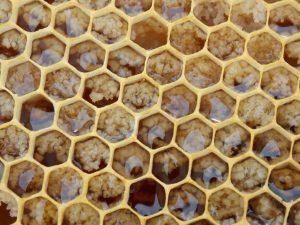
The Natural Beauty of Crystallized Honey: Why Real Raw Honey Crystallizes
At Wildflower Nectar, we pride ourselves on offering pure, raw, and unfiltered honey sourced from local Texas wildflowers. One question we often hear is, “Why does my honey crystallize?” For some, this natural process may be surprising, but it’s actually one of the best indicators that your honey is authentic and full of natural goodness. Let’s explore why real honey crystallizes and why it’s a hallmark of high-quality, unprocessed honey.
Crystallization: A Sign of Real, Raw Honey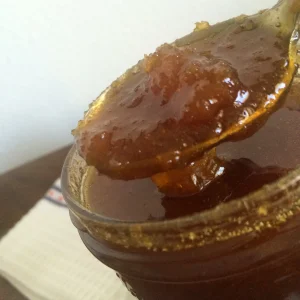
Crystallization is a natural process that occurs when the sugars in honey, primarily glucose and fructose, separate from the water and form crystals. Raw and unfiltered honey, like our Wildflower Nectar, contains tiny particles of pollen, propolis, and other natural elements. These particles act as “seeds” for the crystallization process, encouraging the formation of sugar crystals over time.
Processed honey, often heated and filtered to delay crystallization, lacks these beneficial particles. As a result, the absence of crystallization in processed honey may indicate that it has been stripped of its natural components or diluted.
Why Does Honey Crystallize?
The rate and texture of crystallization depend on several factors:
- Sugar Composition: Honey’s sugar content plays a significant role. Honey with a higher glucose-to-fructose ratio, such as clover or wildflower honey, tends to crystallize faster. Our local Texas wildflower honey naturally contains this balance, leading to its beautiful crystallization over time.
- Temperature: Honey stored at cooler temperatures (50-59°F or 10-15°C) crystallizes more quickly. However, even at room temperature, raw honey will eventually crystallize.
- Raw Nature: Because Wildflower Nectar honey is raw and unfiltered, it retains all its natural enzymes, pollen, and nutrients. These qualities make it more likely to crystallize than heavily processed honey.
- Water content: Honey with higher water content is less likely to crystallize. However, adding water to honey is considered adulteration.
The Timeless Example: Ancient Crystallized Honey in Egypt
The fact that honey crystallizes is not a modern discovery. It’s a characteristic that has been observed for centuries. In fact, archaeologists have found pots of honey in ancient Egyptian tombs that are thousands of years old – and guess what? They were crystallized! This incredible discovery provides undeniable proof that crystallization is a natural and age-old process in real honey. The fact that this honey remained preserved for so long also speaks to honey’s remarkable natural preservation qualities.
What to Do with Crystallized Honey
Crystallization does not mean your honey has gone bad. On the contrary, it’s a testament to its authenticity and natural state. Crystallized honey is just as delicious and nutritious as liquid honey—sometimes even more so, as it’s easier to spread and use in recipes. If your Wildflower Nectar honey crystallizes (and it likely will!), don’t worry!
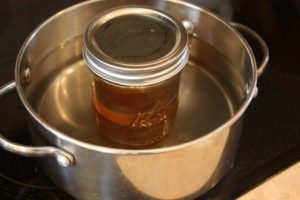
If you prefer liquid honey, simply submerge your jar in a warm water (not boiling) bath and gently stir until the crystals dissolve. Be careful not to overheat, keep the temparature below 110 degress F as high temperatures can destroy the beneficial enzymes and nutrients in raw honey.
Celebrate the Beauty of Raw Honey
At Wildflower Nectar, we embrace the natural process of crystallization as a sign of our honey’s purity and quality. It’s a reminder that our honey comes straight from the hive, unaltered and full of the natural goodness Texas wildflowers have to offer.
So, the next time you see your Wildflower Nectar honey crystallize, know that it’s doing exactly what nature intended. Enjoy the texture, the flavor, and the reassurance that you’re savoring real, raw honey—a gift from the bees to your table.
General Reference: “Honey has been found in ancient Egyptian tombs, such as that of Tutankhamun, in a crystallized state, demonstrating that this is a natural process of honey preservation (e.g., Carter, H. [original excavation reports]; Darby, A. [scholarly works on ancient Egyptian food]).”